For informational purposes only. Always cross-reference with local agricultural guidance.
Home Seed Saving · Poland

Dry, Label and Store Seeds at Home

A practical reference covering the complete process of saving vegetable and herb seeds in a Polish household — from harvest timing and drying methods to container choice and long-term storage.

Historical seed collection showing labelled seed packets and envelopes

Guides on Seed Saving

Three focused articles on the core stages of home seed preservation, with practical details for the Polish climate and growing season.

Seeds and plant material laid out for drying in open air
Drying

How to Dry Vegetable Seeds at Home

Methods for removing moisture from harvested seeds — paper towel drying, mesh rack air-drying and warm-room approaches — with notes on humidity levels typical in Polish autumn.

Updated June 2026

Read article
Labelled herb seed packets arranged in a collection
Labelling

Labelling and Organising Your Seed Collection

What information to record on each seed envelope, how to set up a filing system, and practical ways to keep a home collection organised across multiple growing seasons.

Updated June 2026

Read article
Seeds stored in a glass jar with natural light coming through
Storage

Containers for Storing Saved Seeds

Comparison of glass jars, paper envelopes, zip-lock bags and sealed tins — with guidance on silica gel use, storage locations, and expected viability periods for common vegetables.

Updated June 2026

Read article

Seed saving in a Polish kitchen garden

Poland has a long tradition of home vegetable growing, particularly in allotment gardens (działki) and rural household plots. Saving seeds from year to year was standard practice before commercial seed packets became widely available — and it remains relevant for gardeners who grow heritage tomato, bean or cucumber varieties not stocked by commercial suppliers.

The Polish climate presents specific challenges: high humidity in late summer at harvest time, cold winters useful for dormancy, and variable spring timing that affects when saved seeds should be planted.

  • Correct drying prevents mould during storage
  • Consistent labelling avoids mix-ups at planting time
  • Container choice affects viability over multiple seasons
  • Storage location temperature and light levels matter
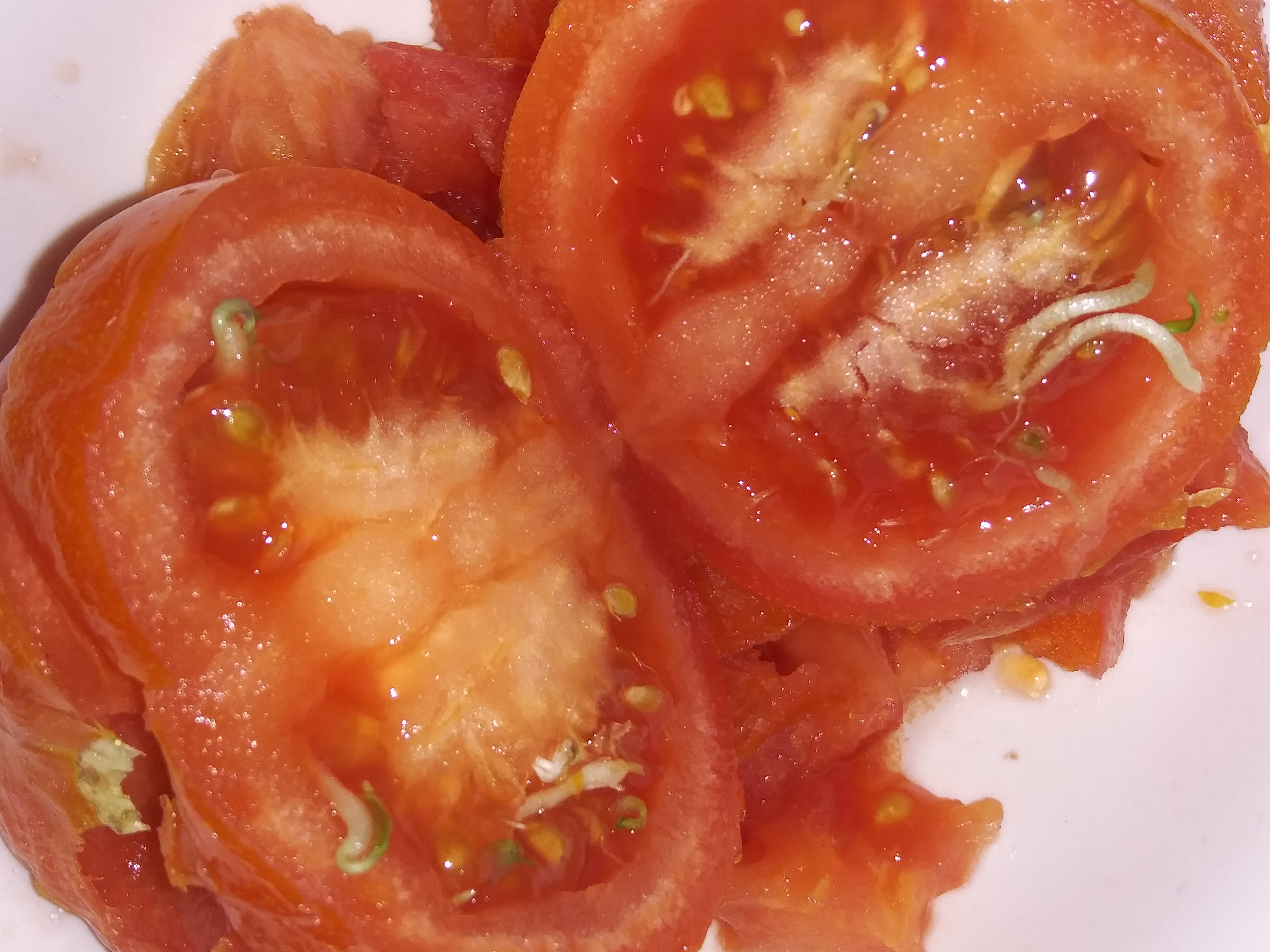
Tomato seeds — the kind most commonly saved by home gardeners

Which seeds are suitable for home saving

Not all vegetable seeds are equally practical to save. The guides on this site focus on the types most commonly grown and saved in Polish household gardens.

Sunflower seeds — large, easy to separate and dry
Easy

Sunflower and Large-Seeded Plants

Sunflowers, beans and squash produce large seeds that are straightforward to separate, dry and store. Viability typically remains high for two to four years under correct conditions.

Broad bean seeds ready for storage after drying
Legumes

Beans and Peas

Broad beans, runner beans, dwarf beans and peas are self-pollinating, meaning saved seed reliably reproduces the parent plant. They are among the most straightforward seeds to save.

Dried herb seeds — smaller and requiring more careful handling
Herbs

Herb Seeds

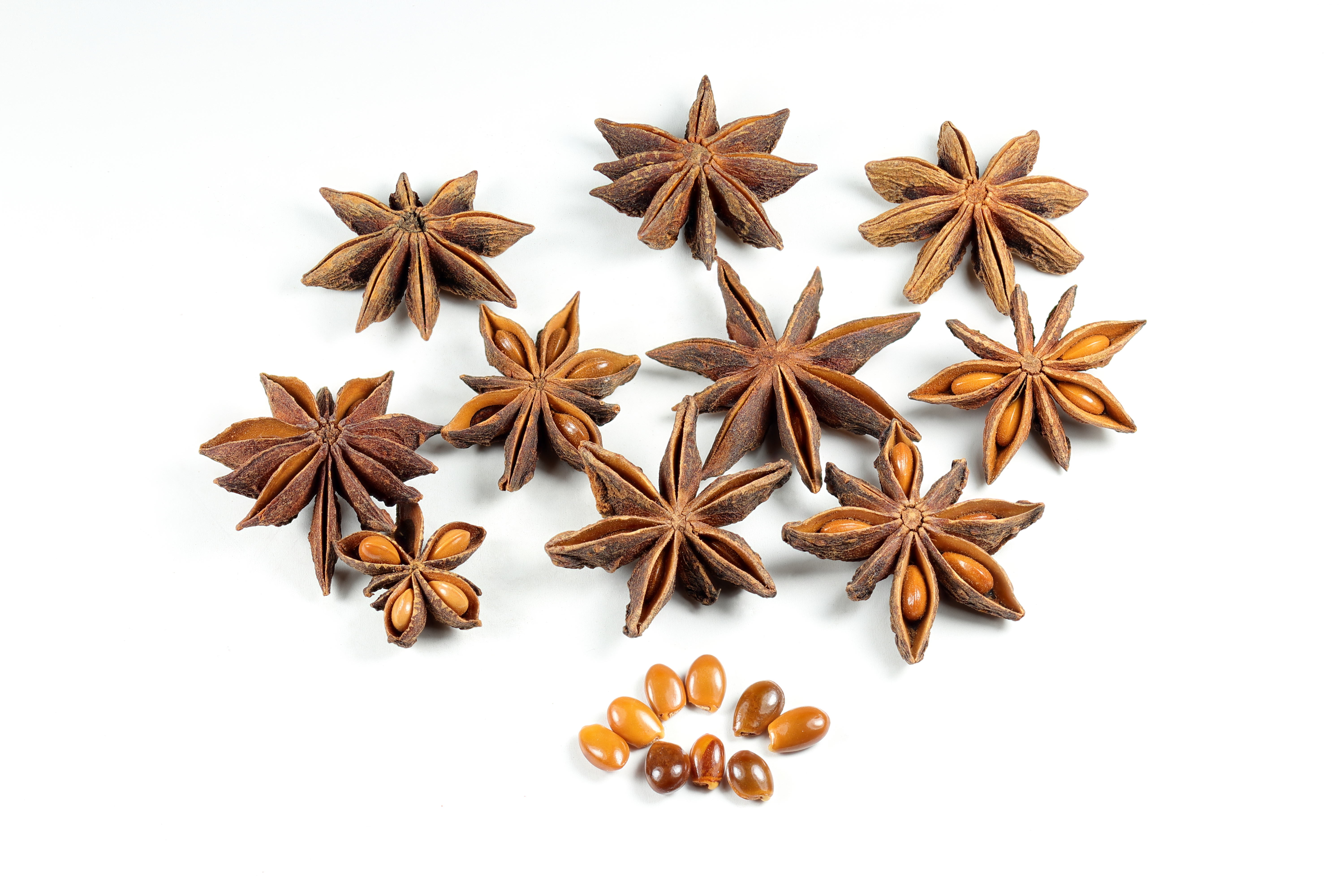
Dill, coriander, fennel and caraway produce seed that can be collected from the dried flower heads. These smaller seeds require finer mesh or careful paper-bag harvesting to avoid loss.